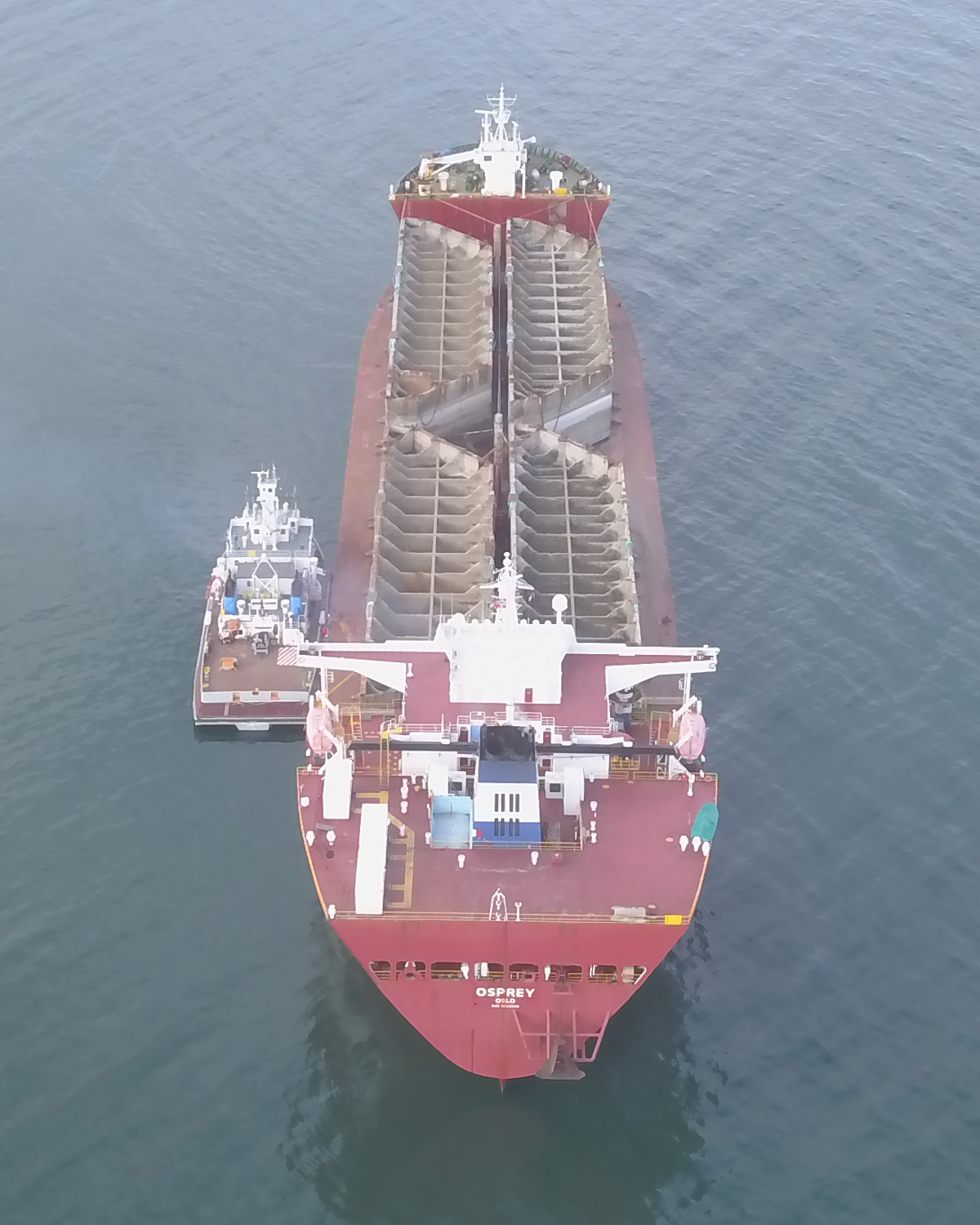
LPMS supported the project management of the Tarsiut caisson removal campaign, including planning and preparation, subcontractor and vendor coordination, logistics, cost and schedule control, change management, execution support, demobilization and project close-out.
The work included coordinating the refloat preparation and marine spread, managing procurement and variation-order requirements for mooring and anchoring equipment, maintaining commercial and schedule visibility, and supporting the interfaces between the client, marine contractors, diving contractor, logistics providers and specialist vendors.
01 — Project Context
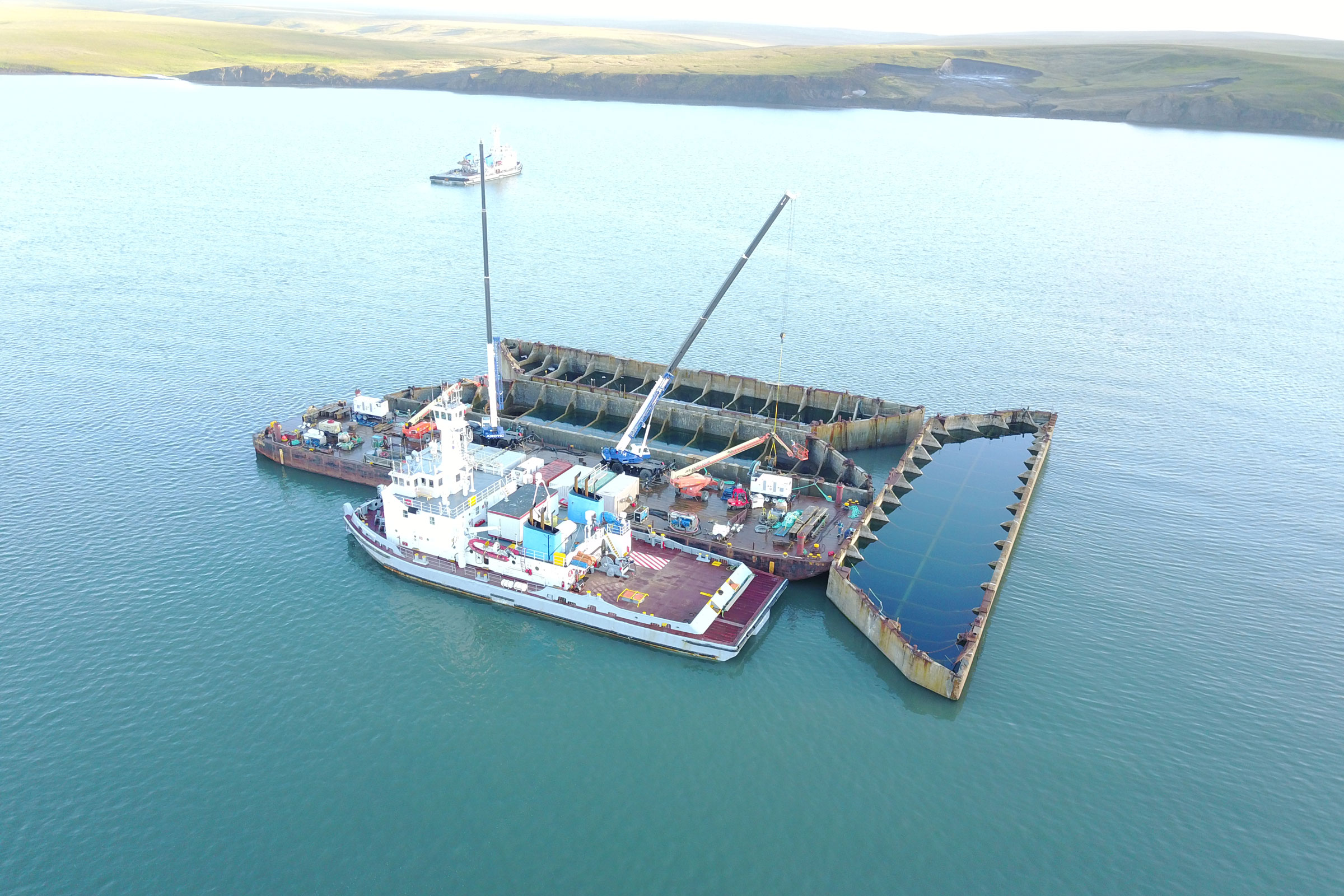
Tarsiut was a caisson-retained artificial drilling island built in the early 1980s in the Beaufort Sea, one of the first structures of its kind used for Arctic exploratory drilling. Gulf Canada drilled two wells there in 1981 and 1982, with as many as 131 people on site at a time during operations. The structure consisted of four watertight concrete caissons floated into position and infilled with dredged sand to withstand severe Arctic storms and ice loading.
After the platform was decommissioned in 1984, the four caissons, each weighing approximately 5,500 metric tons, were towed to Thetis Bay off Herschel Island, Yukon, where they remained resting on the seabed for roughly three decades. In 2017, ConocoPhillips Canada undertook a project to responsibly remove the caissons entirely, refloat them, and transport them to Mexico for environmentally sound recycling, consistent with the company's commitment to managing its historic operations responsibly and its relationship with the local Inuvialuit community.
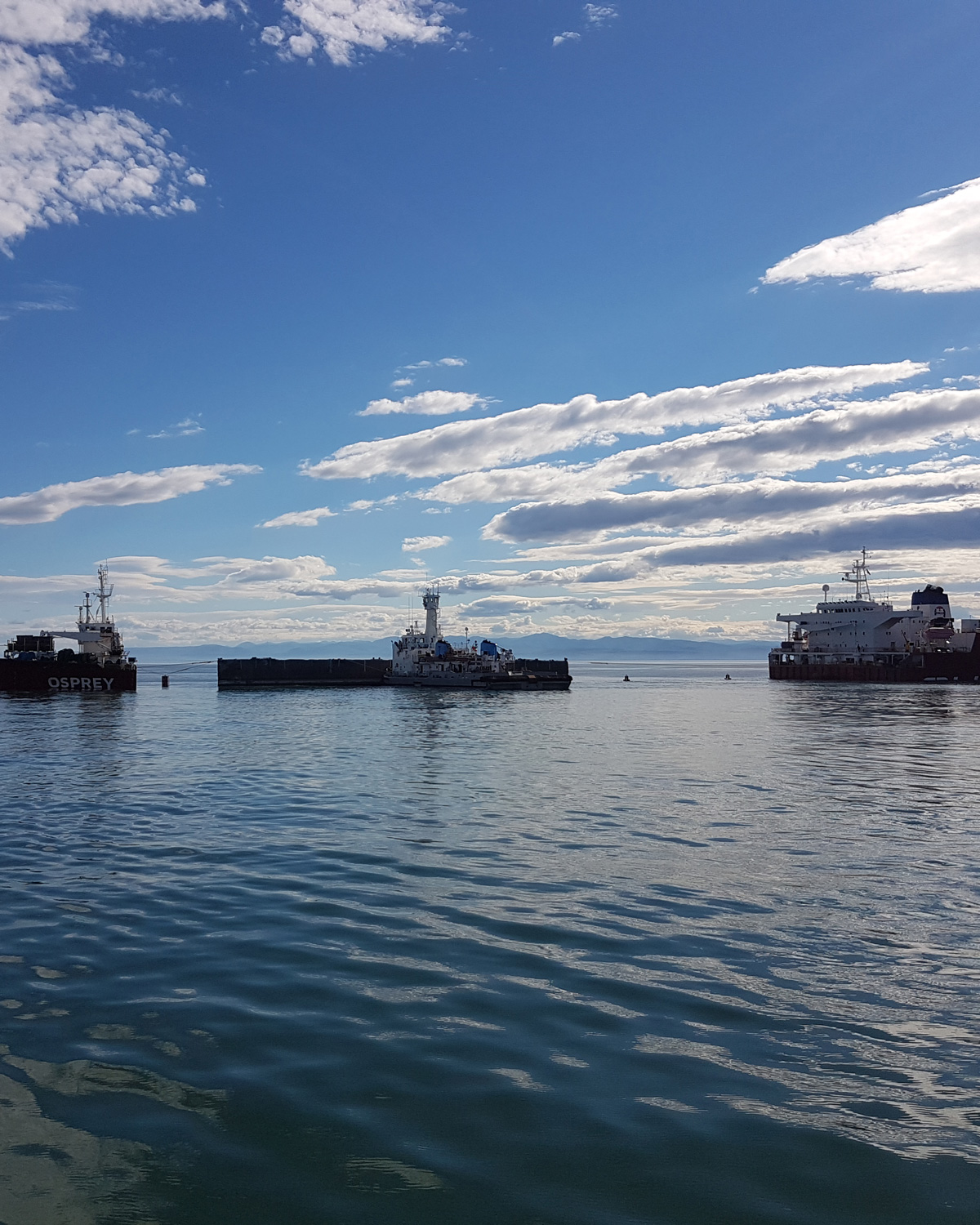
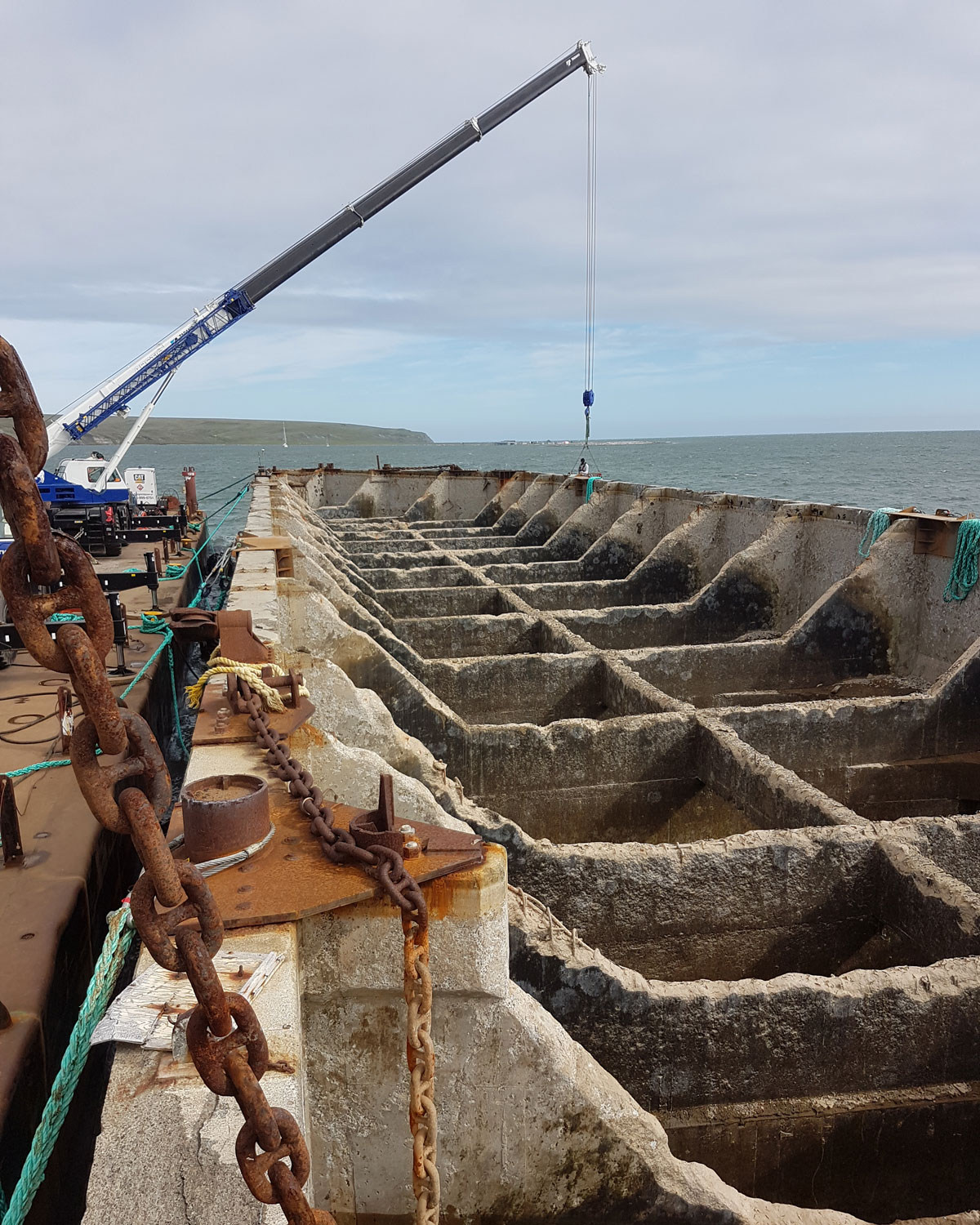
A 54,000-metric-ton semisubmersible heavy-lift vessel was mobilized to the remote Arctic site. The refloating operation itself took roughly two weeks: pumping out decades of accumulated seawater, working the caissons loose from the seafloor, and using sonar and diver surveys to confirm the seabed and structures were clear of debris before staging the caissons for load-out.
LPMS provided project management and project controls support on the engagement, coordinating logistics and heavy marine transport planning for the caisson refloating and relocation, and helping maintain schedule and cost visibility across a project executed in one of the most remote and operationally demanding locations in the world.
02 — Execution Constraints
03 — LPMS Approach
04 — Outcomes